Big Lake, Minnesota Sleep-related breathing disorder treatment
Struggling with sleep apnea, chronic snoring, or restless sleep? Sleep-related breathing disorders affect both adults and children, and can impact everything from energy levels to growth and behavior. Our airway-focused approach is designed to help patients of all ages breathe easier, sleep deeper, and feel your best.

What are sleep-related breathing disorders?
Sleep-related breathing disorders (SRBD) are conditions characterized by disruptions in normal breathing patterns during sleep. Common examples include snoring, mouth-breathing, obstructive sleep apnea, and upper airway resistance syndrome.In children especially, airway collapse, altered respiratory control, tongue-ties, and lip-ties can significantly affect breathing patterns and development. Restricted tongue mobility can interfere with proper oral posture, swallowing, speech, and upper airway growth. At Lake Dental Care, we take a comprehensive, airway-focused approach that looks beyond symptoms to identify structural and functional causes, including tongue-ties, mouth-breathing habits, and nasal obstruction.

Dream big. Breathe easy.
Improved behavior and focus in children
Chronic mouth-breathing and poor sleep can contribute to inattentiveness, hyperactivity, irritability, and even symptoms that mimic ADD/ADHD. Supporting proper breathing can improve concentration, school performance, and emotional regulation. Tired should not be a personality trait.
Better sleep quality
Healthy nasal breathing promotes deeper, more restorative sleep for both children and adults. Improved sleep supports immune function, mood regulation, and growth. Truly, good sleep changes EVERYTHING!
Support for healthy growth
Proper tongue posture and nasal breathing help guide ideal development of the dental arches, palate, and jaw. Early intervention can reduce the likelihood of narrow arches, crowding, open bites, and airway restriction later in life.
Addressing SRBD early, especially in children, can improve sleep, development, behavior, and long-term health. Treatment supports healthier breathing patterns, proper oral development, and overall wellness.

Myofunctional Therapy
With two dedicated myofunctional therapists on the team, Lake Dental Care is proud to offer this specialized service right here in-office! We are proud to provide a path to better sleep and breathing without having to refer you elsewhere.
Our sleep-related breathing disorder treatments
Custom night guards
We offer custom night guards to help manage sleep-related breathing disorders like teeth grinding and mild sleep apnea. These custom-made appliances are designed to keep your airway open and protect your teeth from the damage caused by grinding, ensuring you get a more restful night’s sleep. Comfortable and easy to wear, night guards provide an effective, non-invasive solution to improve your sleep quality.
Snoring treatment
Snoring can disrupt your sleep and the sleep of others around you. We offer Nightlase and Naselase treatments to help reduce snoring by tightening and toning the tissues in your throat and nasal passages. These minimally invasive, laser-based treatments work to keep your airway clear and prevent vibrations that cause snoring. If you’re struggling with snoring, we’ll work with you to find the right solution to improve your sleep quality and your partner’s peace.
Frenectomies
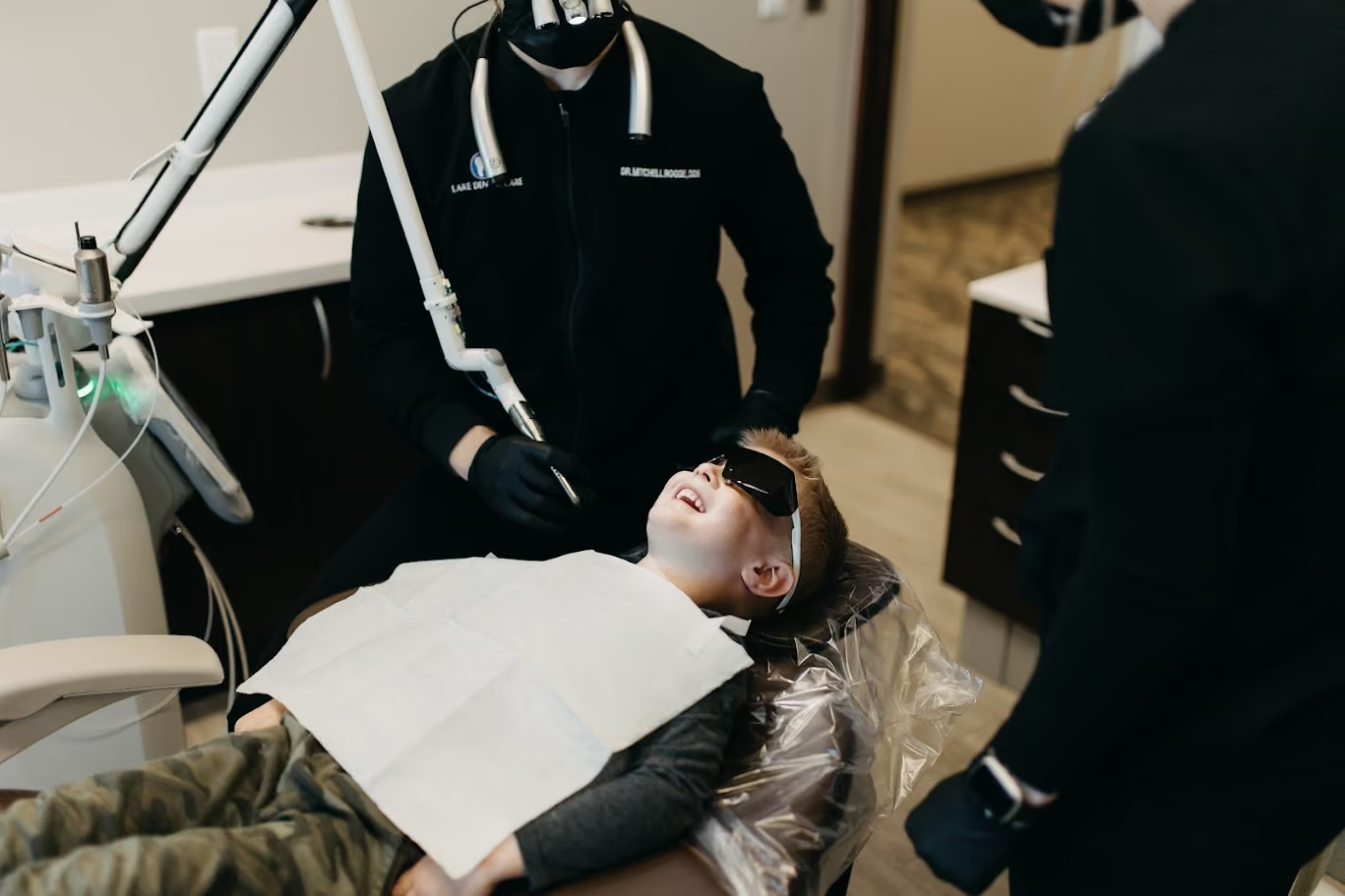
A frenectomy is a simple procedure that releases restrictive tongue-ties or lip-ties that may interfere with proper breathing, speech, feeding, or oral development. At Lake Dental Care, we use precise laser technology to gently and efficiently perform frenectomies with minimal discomfort and faster healing.
Myofunctional Therapy
Sleep breathing disorders often stem from improper muscle function in the mouth and throat. Myofunctional therapy retrains these patterns to optimize your airway. With two dedicated therapists, Lake Dental Care offers this specialized service right here, supporting your path to better sleep and breathing.
Global text
Sample text is being used as a placeholder. Sample text helps you understand how real text may look. Sample text is being used as a placeholder for real text that is normally present.
The sleep-related breathing disorder treatment process
Consultation and evaluation
We begin with a comprehensive discussion of symptoms, sleep habits, and medical history. For children, we assess tongue mobility, oral posture, arch development, and airway structure. When necessary, we may recommend collaboration with medical providers or a sleep study.
Personalized treatment plan
Based on your evaluation, we create a customized plan that may include night guards, laser therapy, tongue-tie release, nasal breathing support, or referral for additional medical evaluation.
Ongoing support and adjustments
Airway health is a journey. We monitor progress, coordinate care when needed, and provide guidance to ensure long-term success and improved breathing patterns.
Frequently asked questions
Have questions about sleep-related breathing disorders? Here are answers to some of the most common inquiries.
Common signs in children include mouth-breathing, snoring, restless sleep, bedwetting, difficulty focusing, speech concerns, and enlarged tonsils. Behavioral changes and academic struggles can also be linked to poor sleep quality.
A tongue-tie can restrict proper tongue posture and limit its ability to expand the palate naturally. This may contribute to narrow arches, airway restriction, and mouth-breathing, which can negatively impact sleep quality.
While snoring can often be significantly reduced or eliminated with treatments like laser therapy, results can vary depending on the severity of the condition. We will work with you to find the most effective treatment plan to improve your sleep quality and reduce snoring for both you and your partner.
Questions? We have answers!
Call us for more information or to schedule an appointment.